Table of Contents
- Introduction: Peeking Behind the Curtain of IT Services in 2025
- Setting the Stage: The Evolving Landscape of Behind the Scenes IT
- The Process: Journey and Phases of IT Operations 2025
- Navigating Challenges in IT Operations 2025 and Solutions
- The Result: Final Outcome and Impact of IT solutions
- Closing and Engagement: Embracing the Future of IT Services
- Quick Summary: The Evolving World of IT Operations 2025
- FAQs: Demystifying Behind the Scenes IT in 2025
Introduction: Peeking Behind the Curtain of IT Services in 2025
In 2025, Information Technology (IT) underpins nearly every facet of business and daily life. From ensuring seamless communication to protecting sensitive data, IT services are the unsung heroes powering our modern world. This blog post pulls back the curtain to reveal the intricate IT operations 2025 landscape, examining how IT support, IT solutions, and managed IT services work behind the scenes to keep businesses running smoothly and securely. Discover the evolving role of IT infrastructure, IT consulting, and the ever-present IT helpdesk in this detailed exploration.
Setting the Stage: The Evolving Landscape of Behind the Scenes IT
The digital transformation sweeping across industries has dramatically changed the demands on IT departments. In 2025, businesses require more than just basic IT support; they need comprehensive IT solutions that drive efficiency, innovation, and competitive advantage. Managed IT services have become a cornerstone of this transformation, providing organizations with the expertise and resources to manage their IT infrastructure effectively. The shift towards cloud computing, AI-driven automation, and proactive cybersecurity measures has redefined the scope and complexity of IT operations. According to McKinsey’s 2024 State of AI report, 65% of organizations now use generative AI regularly in at least one function, with IT and service operations among the most impacted areas. These companies are seeing faster workflows, lower operational costs, and more bandwidth to focus on innovation instead of firefighting routine issues.

The Rise of Managed IT Services
Managed IT services involve outsourcing the management of an organization’s IT infrastructure to an external service provider. This includes everything from network monitoring and maintenance to cybersecurity and data backup. The managed services market is projected to reach $329 billion by 2025, reflecting the increasing reliance on these services. Companies like DivergeIT and RES (Reliable IT Services) offer managed IT services that provide round-the-clock monitoring, maintenance, and support. By outsourcing your IT needs to RES, you gain confidence, efficiency, and room to scale. As businesses adopt AI, use more data, and deploy new emerging technologies, cybersecurity becomes even more critical.
The Importance of IT Consulting
IT consulting involves providing strategic advice and guidance to businesses on how to leverage technology to achieve their goals. IT consultants assess an organization’s current IT infrastructure, identify areas for improvement, and recommend IT solutions that align with their business objectives. IT consulting is critical for businesses looking to optimize their IT investments, enhance their cybersecurity posture, and drive digital transformation. Companies can cut their IT costs by 40-60% with IT consulting.
The Critical Role of IT Support and IT Helpdesk
IT support and IT helpdesk services provide technical assistance to businesses and their employees, addressing hardware, software, and network issues. Effective IT helpdesk support ensures that employees can access the resources they need to perform their duties effectively. The rise of remote work has made IT support more critical than ever, with organizations relying on IT helpdesk services to support distributed teams. You can also get expert support around the clock and better security measures with IT support.
The Process: Journey and Phases of IT Operations 2025
Understanding how IT services operate behind the scenes IT involves examining the key processes and phases that ensure smooth and secure IT operations. These include proactive monitoring, cybersecurity measures, data management, and continuous optimization.
Proactive Monitoring and Maintenance
Proactive monitoring involves continuously monitoring IT systems and networks to identify and resolve potential issues before they impact business operations. This includes monitoring server performance, network traffic, and security logs to detect anomalies and prevent downtime. Managed IT service providers use remote monitoring tools to keep an eye on things around the clock, ensuring that any issues are addressed promptly. Companies like Access One provide proactive monitoring and expert management of local area networks. Ensono is rolling out a proprietary predictive engine tool that uses ML at its core to predict which incidents will become major incidents and taps GenAI to automatically create service tickets.
Robust Cybersecurity Measures
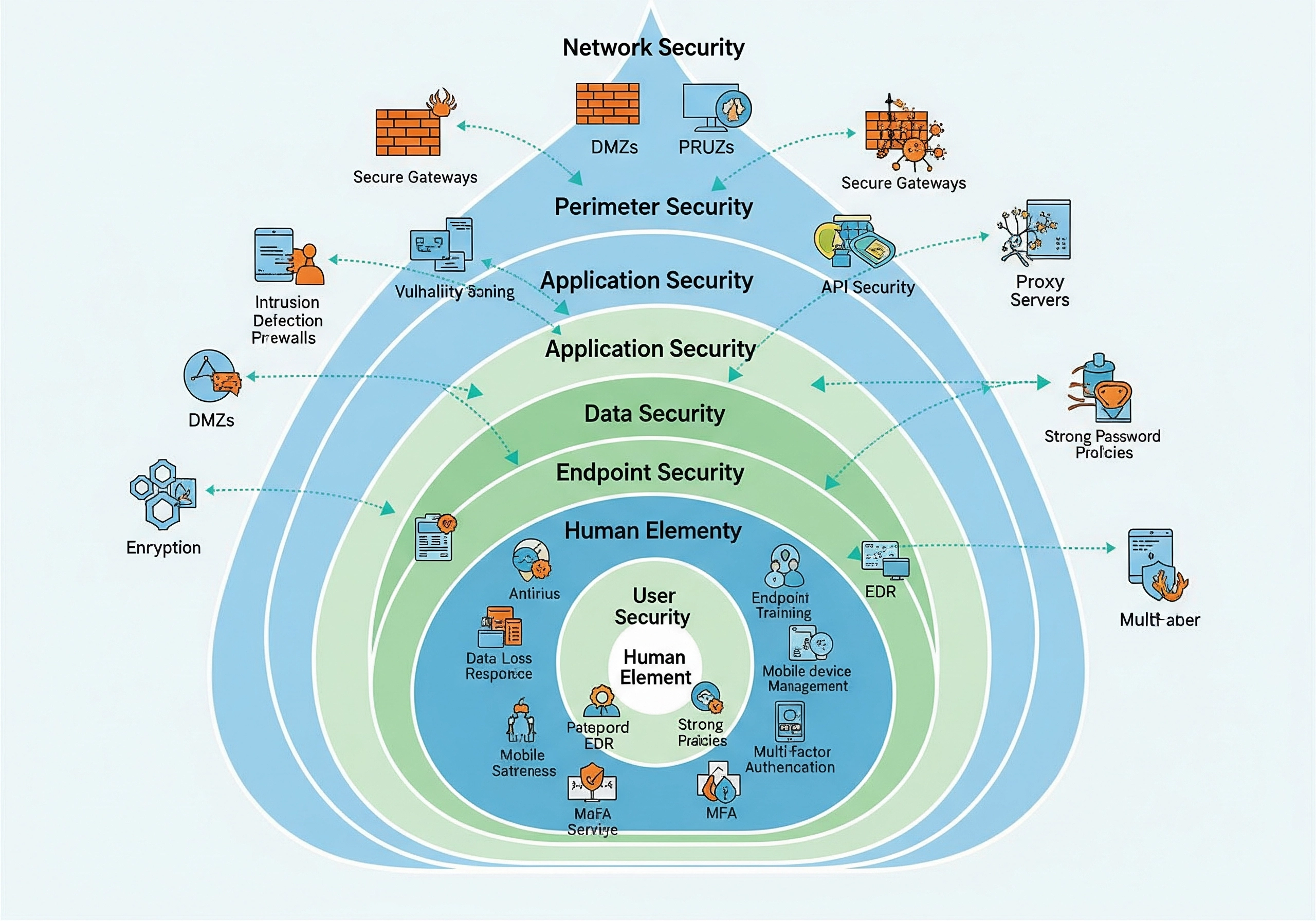
Cybersecurity has become a top priority for businesses in 2025, with cyber threats becoming more sophisticated and prevalent. IT service providers implement a range of cybersecurity measures to protect their clients’ data and systems. These include firewalls, intrusion detection systems, antivirus software, and security awareness training. AI-powered threat detection and zero-trust frameworks are also becoming increasingly important for enhancing cybersecurity posture. Adopt a zero-trust approach—assume no one gets a free pass, not even devices you own.
Efficient Data Management and Backup
Data is the lifeblood of modern businesses, making data management and backup critical components of IT operations. IT service providers implement data backup and disaster recovery plans to ensure that data can be quickly restored in the event of a system failure or cyberattack. Cloud-based backup solutions offer scalability, flexibility, and accessibility, enabling businesses to manage their data from anywhere in the world. Consider a managed cloud service to supercharge your digital transformation including cloud migration to optimization and management.
Continuous Optimization and Improvement
IT operations in 2025 are not static; they require continuous optimization and improvement to meet evolving business needs. IT service providers regularly assess their clients’ IT infrastructure, identify areas for improvement, and implement changes to enhance performance, security, and efficiency. This includes upgrading hardware and software, optimizing network configurations, and implementing new technologies. Process intelligence will be even more critical by 2025, as companies continue to streamline operations, reduce inefficiencies, and cut costs in an increasingly competitive market. AI and machine learning will be used to automate and optimize business processes.
Navigating Challenges in IT Operations 2025 and Solutions
The journey of implementing and maintaining effective IT services is not without its challenges. These challenges include talent shortages, cybersecurity threats, and the need to adapt to rapidly changing technologies.

Addressing Talent Shortages
The IT industry faces a growing talent shortage, with demand for skilled IT professionals outpacing supply. To address this challenge, IT service providers are investing in training and development programs to upskill their existing workforce and attract new talent. They are also leveraging automation and AI to streamline IT operations and reduce the need for manual labor. While the US boasts a skilled tech workforce, demand for specialized skills (especially in AI, cloud, cybersecurity, and specific platforms like ServiceNow or Snowflake) often outstrips supply, driving demand for external service providers.
Mitigating Cybersecurity Threats
Cybersecurity threats are constantly evolving, requiring IT service providers to stay ahead of the curve and adapt their security measures accordingly. They are implementing AI-powered threat detection systems, zero-trust frameworks, and multi-factor authentication to enhance their cybersecurity posture. They are also providing security awareness training to their clients to help them identify and avoid phishing attacks and other cyber threats. Use advanced tools that monitor your network for unusual activity.
Adapting to Rapidly Changing Technologies
The pace of technological change is accelerating, making it challenging for businesses to keep up with the latest trends. IT service providers are investing in research and development to stay abreast of emerging technologies and adapt their services accordingly. They are also partnering with technology vendors to offer their clients access to the latest IT solutions. Staying ahead requires integrating and adopting new enterprise technology in your business and improving communication, innovation, adaptability, security, and the customer experience.
The Result: Final Outcome and Impact of IT solutions
The ultimate goal of IT services is to deliver tangible business outcomes, such as increased efficiency, enhanced security, and improved customer satisfaction. By outsourcing their IT operations to managed service providers, businesses can focus on their core competencies and achieve their strategic objectives.
Increased Efficiency and Productivity
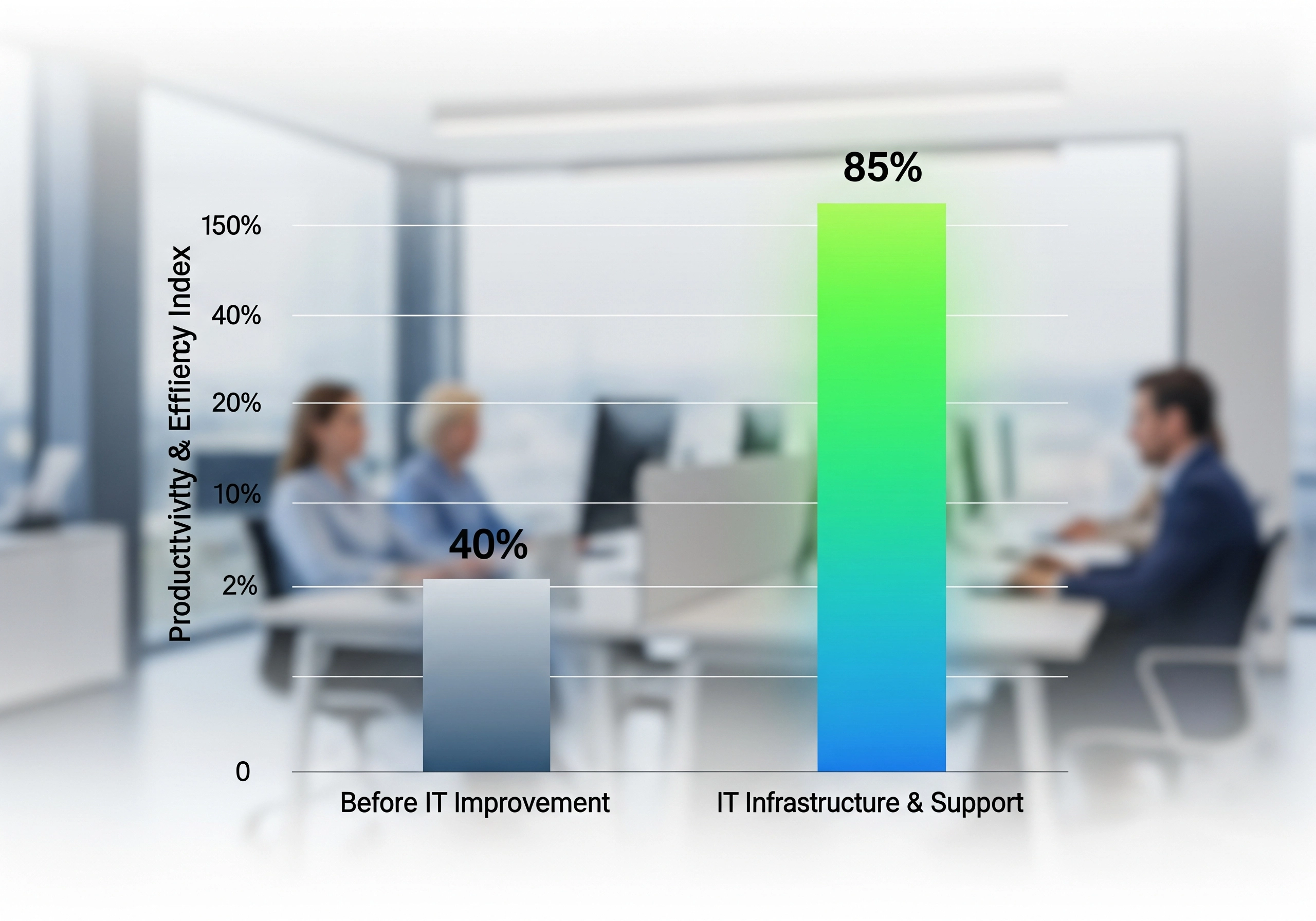
Efficient IT operations can significantly increase business efficiency and productivity. By automating repetitive tasks, streamlining workflows, and reducing downtime, IT services can help businesses get more done with less. This allows employees to focus on more strategic and value-added activities. According to HDI, 81% of organizations that utilize IT helpdesk services report increased customer satisfaction. CBS conducts in-depth process audits to identify inefficiencies that can be automated. From financial systems to customer onboarding, they help companies eliminate bottlenecks that prevent them from scaling.
Enhanced Security and Data Protection
Robust cybersecurity measures protect businesses from costly data breaches and cyberattacks. By implementing firewalls, intrusion detection systems, and antivirus software, IT service providers can safeguard their clients’ data and systems. This helps businesses maintain customer trust and comply with data privacy regulations. Managed Security Services are no longer optional in 2025, small and midsize businesses (SMBs) are increasingly being targeted by ransomware groups, phishing.
Improved Customer Satisfaction
Reliable IT systems and responsive IT support can improve customer satisfaction. By ensuring that customers can access the resources they need and resolving technical issues quickly, IT services can enhance the overall customer experience. This leads to increased customer loyalty and positive word-of-mouth referrals.
Closing and Engagement: Embracing the Future of IT Services
As we look ahead to 2025 and beyond, the role of IT services will only continue to grow in importance. By embracing new technologies, adapting to changing business needs, and prioritizing cybersecurity, businesses can leverage IT services to achieve their full potential. Engage with us to explore how our tailored IT solutions can drive your business forward. Want more app downloads? See how meta ads for app marketing can supercharge your campaigns in 2025. Understanding the platform and optimizing campaigns with compelling creatives and precise targeting, advertisers can maximize their ROI. Key strategies include A/B testing, strategic bidding, and continuous monitoring of KPIs. Success stories, like Adidas’ Boost campaign, provide valuable insights. Digital Shift can help businesses create comprehensive marketing strategies that incorporate native advertising to maximize reach and engagement. Need more clicks? See how to driving more clicks with taboola ads.
Quick Summary: The Evolving World of IT Operations 2025
In 2025, IT services are crucial for business success, offering comprehensive support from managed services to cybersecurity. The landscape involves proactive monitoring, robust security, and continuous optimization, addressing talent shortages and evolving cyber threats. Managed IT services, IT consulting, and helpdesk support play key roles, ensuring efficiency and customer satisfaction. Embracing these services enables businesses to focus on core objectives and achieve strategic growth. What are IT services and how can they help your business grow in 2025?
FAQs: Demystifying Behind the Scenes IT in 2025
What are the primary benefits of outsourcing IT support in 2025?
Outsourcing IT support provides access to specialized expertise, reduces costs, and enables businesses to focus on core activities, leading to better performance and scalability.
How has cloud computing changed IT operations behind the scenes?
Cloud computing offers scalability, flexibility, and accessibility, enabling businesses to manage operations from anywhere efficiently and reducing the need for on-premises infrastructure.
What role does AI play in modern IT service management?
AI drives automation, optimizes business processes, and enhances cybersecurity by detecting threats in real-time, allowing for quicker responses and reduced impact from attacks.
Why is proactive maintenance important for IT infrastructure?
Proactive maintenance helps identify and resolve potential issues before they impact business operations, minimizing downtime and ensuring smooth, continuous service.
How do managed security services protect businesses from cyber threats?
Managed security services offer multi-layered security, including threat detection, firewalls, and intrusion detection systems, to protect sensitive data and ensure compliance, reducing the risk of costly data breaches.
At Digital Shift, we provide cutting-edge digital marketing solutions, website development, and app marketing to help your business thrive. Explore our digital marketing agency services today!