
Table of Contents
- Peeking Behind the Curtain: Unveiling the Inner Workings of Technology Services in 2025
- Setting the Stage: The Evolving Landscape of Information Technology in 2025
- The Process: A Journey Through IT Operations in 2025
- Challenges: Overcoming Roadblocks in the Technology Landscape
- The Result: Measuring the Impact of Effective Information Technology Services
- Partnering for Success: Embracing the Future of Technology Services with Strategic Solutions
- Conclusion
- Key Takeaways: Navigating the Future of Technology Services in 2025 for Business Success
- FAQs: Your Questions About Technology Services Answered
- Additional Resources
Peeking Behind the Curtain: Unveiling the Inner Workings of Technology Services in 2025
Ever wondered how IT services seamlessly keep businesses running in an increasingly digital world? This article pulls back the curtain to reveal the inner workings of behind the scenes IT operations in 2025, exploring the key components, processes, and technologies that drive modern IT operations. Get ready for an exclusive look at how IT support, IT solutions, and managed IT services collaborate to ensure businesses stay competitive and secure.
Setting the Stage: The Evolving Landscape of Information Technology in 2025
The year 2025 presents a vastly different IT infrastructure landscape compared to just a few years prior. The rise of remote work, the proliferation of cloud computing, and the ever-present threat of cyberattacks have fundamentally changed how businesses rely on technology services. This section delves into the background and context of this evolution, exploring the inspirations, challenges, and goals that have shaped the modern IT service company landscape. Understanding this context is crucial for appreciating the complex behind the scenes IT work that keeps everything running smoothly.

The Rise of Remote Technology Support in the USA
Remote technology IT support services have become the backbone of modern Information Technology services, offering rapid solutions without the need for onsite technicians for every minor issue. Secure remote desktop tools allow technicians to resolve software problems, remove malware, and update systems within minutes, minimizing downtime and saving time. In 2025, reliable IT support is no longer a luxury but a business necessity. According to RES Experts, remote support is now essential for quick issue resolution, offering technicians the ability to fix software problems and update systems rapidly, which saves time and minimizes downtime.
Managed IT Services: A Smarter Solution for USA Businesses
Managed IT services offer a smarter solution for businesses by outsourcing IT operations to experienced professionals who provide round-the-clock monitoring, maintenance, and support. Companies like RES deliver both remote and onsite assistance, helping businesses across the USA stay protected, productive, and agile.
How RES Supports Remote and Hybrid Work Environments
The modern workplace in 2025 is hybrid, mobile, and cloud-driven. RES empowers businesses to build IT infrastructure that supports:
- Secure remote access through VPNs
- Cloud file sharing and collaboration
- Microsoft 365 or Google Workspace integration
- Virtual meetings and VoIP solutions
- Remote device monitoring and patching
- BYOD policies and endpoint security
Outlook for 2025: The Future of Technology Support Services
By 2025, technology IT support services are expected to become even more integrated with automation, AI, and predictive analytics. These advancements enable proactive issue detection and resolution, significantly reducing downtime. Cloud-based support will continue to grow, offering flexible, scalable IT solutions for organizations of all sizes. Cybersecurity remains a top priority, with support providers investing heavily in threat detection and compliance tools. For a comprehensive understanding of the 2025 IT support services landscape, you may explore the detailed report here.
The Process: A Journey Through IT Operations in 2025
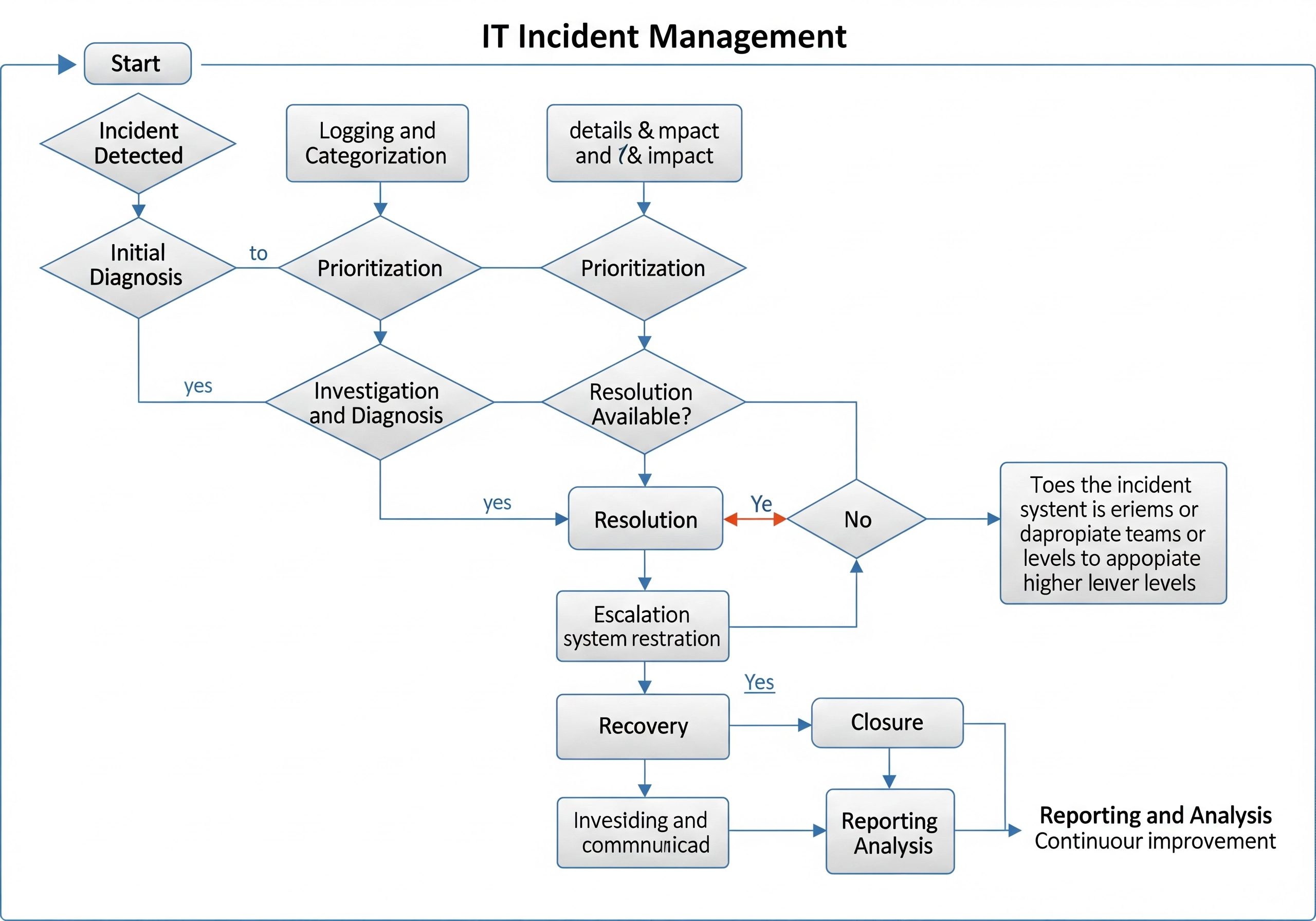
This section dives into the detailed processes that make IT operations function effectively. Breaking down the journey into clear phases or steps, it shares anecdotes and lessons learned, and includes behind the scenes IT visuals to illustrate the complexity and dedication involved. From IT service management to IT helpdesk operations, discover how each component contributes to the overall success of a modern IT service company.
Level 1, 2, and 3 Admin Roles
In 2025, the roles of Level 1, 2, and 3 admins are evolving as technology rapidly advances. Level 1 support typically handles basic issues such as password resets and initial troubleshooting. Level 2 support deals with more complex problems requiring specialized knowledge, while Level 3 support focuses on infrastructure, architecture, and high-level strategic IT solutions. These roles ensure comprehensive technology IT support services.
Technology Service Management (ITSM): A Strategic Approach
Technology IT service management (ITSM) is a strategic approach that transforms IT from a reactive IT support function into a proactive service delivery engine aligned with business goals. Unlike traditional IT support, which focuses on fixing problems as they arise, ITSM aims to prevent issues and optimize the entire service experience. SysAid can provide ITSM IT solutions.
Core Processes of ITSM
ITSM is built on several core processes, including:
- Incident Management: Restores normal service operations quickly after an interruption.
- Problem Management: Identifies the root causes of incidents to prevent recurrence.
- Change Management: Controls the lifecycle of all changes to minimize disruption.
- Knowledge Management: Creates and shares knowledge to improve efficiency.
- IT Asset Management (ITAM): Manages the lifecycle of all IT assets.
Empowering Business Agility with ITSM
ITSM enables business agility by ensuring IT operations are efficient and predictable, allowing organizations to respond quickly to market changes, support new technologies, and drive innovation, aligning IT with core strategic objectives.
The Rise of AI in ITSM
Artificial intelligence is increasingly integrated into ITSM, automating responses to recurring issues, predicting IT problems before they impact operations, and optimizing IT asset management. Giva is also making strides in leveraging AI and Automation in ITSM. According to McKinsey’s 2024 State of AI report, 65% of organizations now use generative AI regularly in at least one function, with IT and service operations among the most impacted areas.
Infrastructure and IT Operations in 2025
In 2025, infrastructure and IT operations leaders must cope with unpredictable demand for new services, workforce skills deficiencies, and spiraling technical debt. Key trends include business-led IT, the need to leverage visibility into the organization’s technology, and the importance of collaboration to reduce risky technical debt.
Challenges: Overcoming Roadblocks in the Technology Landscape
This section highlights the inevitable roadblocks and unexpected difficulties encountered in IT operations. It explains how teams solve problems and showcases innovative or creative IT solutions that address these challenges. Real-world examples of overcoming adversity build trust and demonstrate the resilience of modern technology services.
Evolving Cyber Threats: A Constant Battle
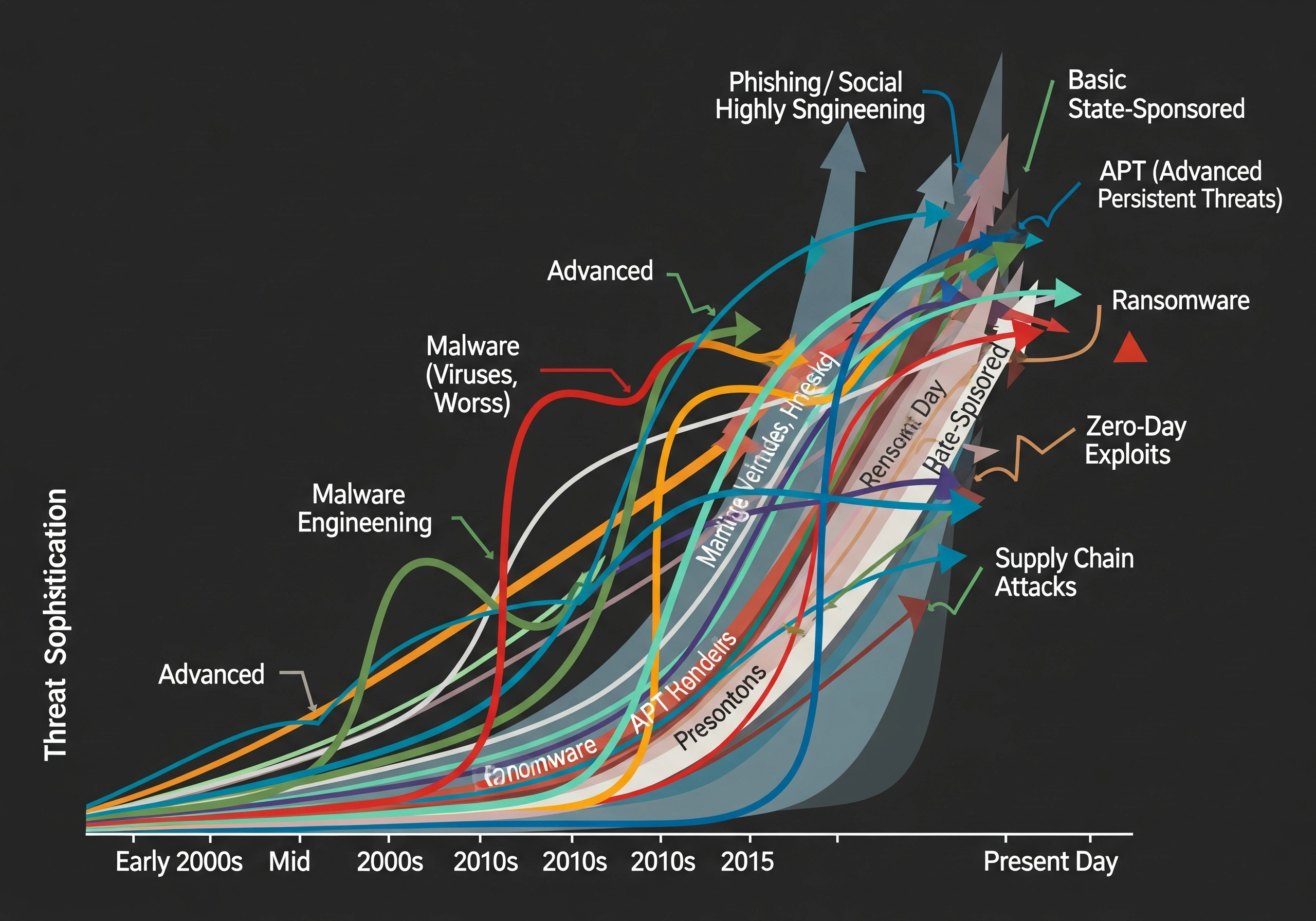
As cyber threats evolve, IT support must adopt more sophisticated security technologies to protect against attacks. This includes proactive threat detection, advanced cybersecurity measures, and continuous monitoring to safeguard sensitive data and systems. Companies like RES offer dark web protection and computer and network security.
Talent Shortages: Bridging the Skills Gap
The IT industry faces ongoing talent shortages, requiring organizations to invest in training and development programs to bridge the skills gap. This includes upskilling existing employees and attracting new talent with expertise in emerging technologies such as AI, cloud computing, and cybersecurity.
The Need for Continuous Technology Updates
The rapid pace of technological change requires continuous updates and upgrades to IT infrastructure and software systems. This can be challenging for organizations with limited resources, necessitating strategic partnerships with managed IT services providers who can deliver ongoing maintenance and support.
Regulatory Changes and Compliance
Evolving data privacy laws and compliance requirements add complexity and cost to IT operations. Organizations must stay informed about regulatory changes and implement appropriate measures to ensure compliance, including data encryption, access controls, and regular security audits.
Commoditization of Basic Technology Support
Basic IT support and infrastructure management face potential commoditization and offshore competition, pressuring providers to move up the value chain. This requires a focus on delivering higher-value services such as strategic consulting, AI implementation, and cybersecurity IT solutions.
The Result: Measuring the Impact of Effective Information Technology Services
Showcasing the final product or outcome with high-quality visuals, this section discusses how results met or exceeded expectations. It shares measurable results or feedback that demonstrate the tangible benefits of effective IT services, reinforcing the value proposition for businesses seeking reliable IT support and IT solutions.
Increased Productivity and Efficiency
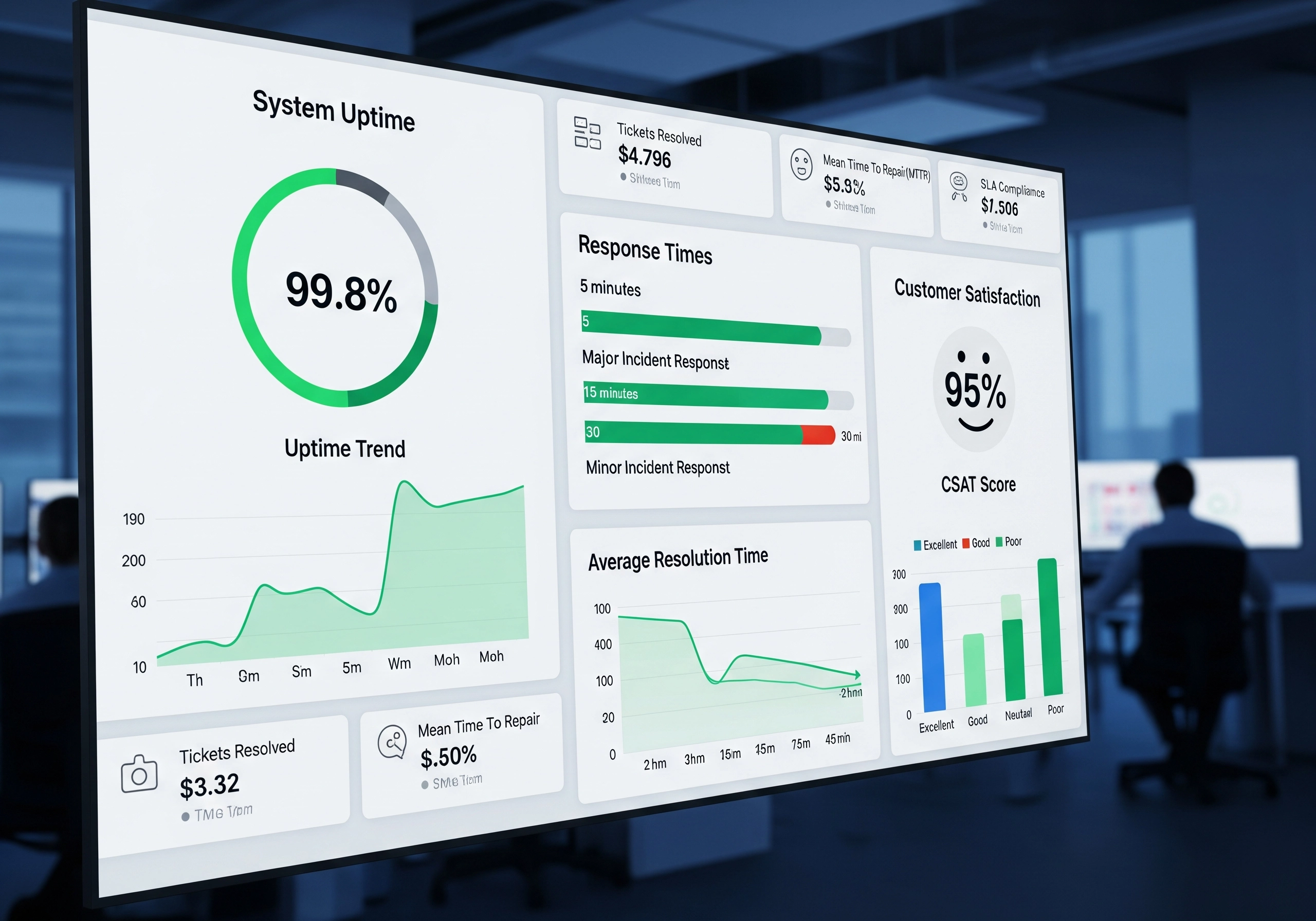
Effective IT support services lead to increased productivity and efficiency by minimizing downtime and resolving IT issues quickly. This allows employees to focus on their core responsibilities, driving business growth and profitability. Managed IT services take care of all IT tasks, allowing businesses to focus on their core operations. Moreover, by 2025, streamlined IT operations and reduced downtime will become essential for business agility, allowing organizations to respond quickly to market changes and support new technologies.
Strengthened Security Posture
Robust cybersecurity measures and proactive threat detection enhance an organization’s security posture, protecting against malicious attacks and data breaches. This includes implementing multi-factor authentication, identity access controls, and continuous monitoring to safeguard sensitive information.
Improved Customer Service
Reliable IT operations improve customer service by ensuring that systems are always available and responsive. This enables businesses to respond quickly to customer inquiries and resolve issues promptly, enhancing customer satisfaction and loyalty. With support providers managing the most difficult aspects of IT operations, businesses can respond rapidly to customers’ problems and inquiries.
Business Growth and Innovation
Strategic IT consulting and implementation services drive business growth and innovation by aligning technology with business goals. This includes leveraging emerging technologies such as AI, cloud computing, and automation to streamline processes, improve decision-making, and create new opportunities.
Partnering for Success: Embracing the Future of Technology Services with Strategic Solutions
Summarizing the journey, this section reinforces the value of the work and invites readers to engage with the results or explore offerings further. Encouraging interaction and feedback fosters a sense of community and reinforces the importance of continuous improvement in the ever-evolving world of IT services.
The Importance of Strategic Partnerships
As IT environments become more complex, strategic partnerships with managed IT services providers are essential for businesses seeking to stay competitive and secure. These partnerships provide access to specialized expertise, advanced technologies, and round-the-clock support, enabling organizations to focus on their core business objectives. NeverBlue IT provides strategic technology guidance tailored to a business roadmap.
Embracing AI and Automation
Embracing AI and automation is crucial for IT organizations seeking to streamline IT operations, reduce costs, and improve efficiency. This includes automating responses to recurring issues, predicting IT problems, and optimizing asset management, freeing up IT staff to focus on more strategic initiatives.
Prioritizing People, Culture, and Collaboration
Even with the best technology, human alignment is essential for success. Strong team culture, effective communication, and personal relationships are at the heart of great IT service. Prioritizing people, culture, and collaboration ensures that IT teams can work effectively together to deliver exceptional IT solutions.
Conclusion
In conclusion, embracing a proactive service management approach is essential for modern IT departments. Moving beyond traditional ITSM to focus on intelligence, adaptability, and alignment ensures IT delivers tangible value and supports strategic business outcomes. As the digital landscape evolves, a holistic, business-centric approach to service management becomes critical for maintaining competitiveness and driving innovation.
Explore the future of IT services with strategic IT solutions from Digital Shift.
Key Takeaways: Navigating the Future of Technology Services in 2025 for Business Success
In 2025, IT services are undergoing a significant transformation driven by the rise of remote work, the proliferation of cloud computing, and the increasing threat of cyberattacks. Managed IT services, IT consulting, and proactive IT support are essential for businesses seeking to stay competitive and secure. By embracing AI, automation, and strategic partnerships, organizations can optimize their IT operations, drive innovation, and achieve their business goals in an ever-evolving digital landscape.
FAQs: Your Questions About Technology Services Answered
What are the key trends shaping IT services in 2025?
The key trends include the rise of AI and automation, increased focus on cybersecurity, the growing importance of cloud-based IT management, and the need for strategic partnerships with managed IT services providers.
How can managed IT services benefit my business?
Managed IT services can improve productivity and efficiency, strengthen your security posture, enhance customer service, and drive business growth and innovation by providing access to specialized expertise, advanced technologies, and round-the-clock support.
What role does AI play in modern IT service management?
AI is increasingly used to automate responses to recurring issues, predict IT problems before they impact IT operations, and optimize IT asset management, freeing up IT staff to focus on more strategic initiatives.
How important is cybersecurity for IT services in 2025?
Cybersecurity is paramount, with IT services needing to adopt sophisticated security technologies to protect against evolving threats. Proactive threat detection, advanced cybersecurity measures, and continuous monitoring are essential to safeguard sensitive data and systems.
What is the future of remote IT support?
Remote IT support will continue to be a critical component of IT services, offering rapid IT solutions without the need for onsite technicians for every minor issue. Secure remote desktop tools enable technicians to resolve problems, remove malware, and update systems quickly and efficiently.
Additional Resources