
What Makes Modern IT Service Teams So Vital for Today’s Businesses?

The traditional image of IT teams—often confined to fixing printers or resetting passwords—is a relic of the past. This outdated perception drastically underestimates the strategic significance of modern IT service teams. Far from being mere support functions, these teams are now the essential architects and custodians of business success, underpinning everything from seamless daily operations to groundbreaking future innovations.
In today’s hyper-connected business environment, technology is no longer just a supporting tool; it’s the primary engine driving growth and competitive advantage. This fundamental shift necessitates a sophisticated and proactive approach to IT. Modern IT service management transcends reactive problem-solving, evolving into a strategic discipline that anticipates needs, optimizes performance, and secures the digital infrastructure.
Why Modern IT Service Teams Are Indispensable:
- Ensuring Operational Continuity: Businesses rely on IT infrastructure for nearly every function. Modern IT service teams implement robust systems and proactive maintenance to prevent downtime, ensuring that critical operations—from customer service to supply chain management—run without interruption.
- Driving Digital Transformation: As businesses embrace digital transformation, IT service teams are at the forefront, implementing new technologies, managing cloud migrations, and developing scalable solutions that enable agility and innovation.
- Enhancing Cybersecurity: In an era of escalating cyber threats, IT service teams are the first line of defense. They deploy advanced security measures, monitor for vulnerabilities, and respond rapidly to incidents, protecting sensitive data and maintaining customer trust.
- Optimizing IT Investments: Strategic IT service management involves aligning technology investments with business goals. This includes evaluating new solutions, managing vendor relationships, and ensuring that IT resources are utilized efficiently to maximize return on investment.
- Facilitating Data-Driven Decisions: Modern IT teams provide the infrastructure and tools necessary for collecting, analyzing, and interpreting data. This empowers businesses to make informed strategic decisions, identify market trends, and personalize customer experiences.
The Shift from Support to Strategy:
This evolution means that IT service management is no longer an afterthought but a core business competency. By embracing advanced IT service management practices, businesses can leverage technology not just to operate, but to thrive, innovate, and lead in their respective markets. The vital role of these teams is clear: they are the enablers of efficiency, security, and future growth.
How Do IT Service Management (ITSM) and IT Operations Management (ITOM) Intersect Daily?
While often discussed as distinct entities, IT Service Management (ITSM) and IT Operations Management (ITOM) are not just complementary; they are two sides of the same critical coin, intersecting daily to ensure seamless technology delivery.
Imagine a modern business: ITSM acts as the strategic front-office, focused on delivering value to the customer through well-defined services, processes, and user experience. Conversely, ITOM operates as the robust back-office, vigilantly managing the underlying IT infrastructure and components that power those services. This crucial interplay prevents service disruptions and drives operational efficiency.
Defining the Domains: Service vs. System
At its core, IT service management (ITSM) is about designing, delivering, managing, and improving the way IT services are provided to end-users. It translates business needs into IT solutions, focusing on process optimization, customer satisfaction, and continuous improvement, often guided by frameworks like ITIL. ITSM ensures that every IT interaction, from a service request to an incident resolution, aligns with business objectives.
In contrast, IT operations management (ITOM) focuses on the technical aspects of maintaining the actual IT infrastructure. This includes servers, networks, applications, and databases. ITOM’s daily agenda revolves around monitoring, performance management, event management, automation, and ensuring the availability and health of the entire technology stack. For instance, ITOM tools continuously scan systems, detecting anomalies before they escalate.
Daily Intersections: A Symbiotic Relationship
The real magic happens where these two disciplines converge. Their intersection is most apparent in core processes that dictate an IT team’s daily workflow:
Incident Management
When a critical system fails, it’s ITOM that first detects the outage through proactive monitoring tools. This operational alert then triggers ITSM processes, where a service desk agent logs the incident, communicates with affected users, and coordinates the resolution efforts. The seamless handover from ITOM’s detection to ITSM’s structured response is vital for minimizing downtime, which costs businesses an average of $5,600 per minute globally.
Change Management
Implementing new software or upgrading infrastructure requires careful orchestration. ITSM defines the what and why of the change, ensuring it aligns with business needs and has proper approval workflows. ITOM then executes the how, deploying the changes, monitoring their impact in real-time, and ensuring system stability post-implementation. This collaborative approach prevents uncontrolled modifications that could destabilize critical services.
Problem Management
Beyond just fixing incidents, both ITSM and ITOM work hand-in-hand to prevent their recurrence. ITOM provides the granular data on system performance and recurring technical issues. ITSM then leverages this data to conduct root cause analysis, developing solutions that address the underlying problems rather than just treating symptoms. This proactive stance significantly reduces future disruptions and improves overall system reliability.
Reliable IT services are built on the bedrock of strong ITOM, governed by the strategic oversight of ITSM.
Driving Business Value Through Synergy
The symbiotic relationship between IT service management and IT operations management directly contributes to an organization’s bottom line. By streamlining processes and ensuring infrastructure health, they bolster business continuity and enhance digital transformation initiatives. The global managed services market, projected to reach $557.10 billion by 2032, underscores the increasing reliance on integrated IT strategies. Businesses can achieve significant cost savings, up to 40% on IT costs, by optimizing these intertwined functions.
For an in-depth look at the unseen efforts that keep IT running, explore Decoding the Unseen: Daily Operations Behind Reliable IT Services for Businesses. This integrated approach is not merely about managing technology; it’s about strategically enabling business success. The clarity provided by well-defined ITSM processes ensures that ITOM’s technical prowess translates directly into tangible business benefits, making their daily intersection indispensable for modern enterprises. For more insights into how IT teams manage end-to-end service delivery, refer to this detailed explanation of ITSM: IT Service Management Definition, Benefits & Tools.
What Core Processes Drive the Daily Agenda of an IT Service Team?

The intricate dance of modern IT operations doesn’t happen by chance; it’s orchestrated by a set of core processes, often rooted in frameworks like ITIL (Information Technology Infrastructure Library). These structured activities transform abstract goals into tangible daily tasks, ensuring that technology consistently serves business objectives. Without these defined workflows, an IT service team would quickly descend into chaos, reacting to every flicker instead of proactively managing the digital landscape.
Incident Management: Restoring Normalcy, Fast
At the forefront of any IT service team’s daily agenda is incident management. This critical process focuses on restoring normal service operation as quickly as possible and minimizing the adverse impact on business operations. Imagine a sudden network outage or a critical application crashing—that’s an incident.
Every day, IT professionals are engaged in a cycle of detection, logging, categorization, prioritization, diagnosis, escalation, and resolution of incidents. Their goal isn’t just to fix the immediate problem, but to get users back to work with minimal disruption. Rapid incident resolution is a direct measure of an IT team’s agility and responsiveness. This proactive approach ensures business continuity, a vital aspect given that downtime can cost businesses an average of $5,600 per minute.
Incident management is the rapid response unit of IT service management. It’s about triage, stabilization, and then a quick return to service, often under immense pressure. This constant vigilance forms a significant part of the daily grind.
Service Request Management: Fulfilling User Needs Systematically
Beyond urgent fixes, IT teams handle a steady stream of routine user requests through service request management. This process addresses standardized demands, such as providing new software installations, granting access to systems, setting up new user accounts, or fulfilling requests for specific hardware. Unlike incidents, which are unexpected disruptions, service requests are predictable and often pre-approved.
The daily grind here involves processing these requests efficiently, using automation and predefined workflows wherever possible. This ensures consistency, reduces manual effort, and improves user satisfaction. By streamlining these common interactions, IT teams deliver predictable IT solutions that empower employees to do their jobs effectively. Think of it as a well-oiled machine for delivering everyday digital necessities.
Problem Management: Digging Deeper for Lasting Solutions
While incident management deals with the symptoms, problem management tackles the root causes. If the same incident keeps recurring, or if multiple incidents point to an underlying flaw, problem management steps in. This process aims to identify, analyze, and eliminate the fundamental reasons behind IT service disruptions, preventing future incidents.
Daily activities in problem management involve trend analysis, detailed investigations, and proactive identification of potential weaknesses before they cause an incident. This often means deep dives into system logs, performance data, and configuration items. Solving the root cause prevents future headaches, shifting IT from reactive to proactive. By addressing these deeper issues, teams enhance the overall reliability and stability of the IT environment, a crucial component of effective IT service management.
Change Management: Guiding Evolution Safely
Any modification to the IT environment, from a minor software patch to a major system upgrade, falls under change management. This process ensures that changes are implemented in a controlled, coordinated manner, minimizing risks and avoiding service disruption. Before any change goes live, it’s assessed, authorized, planned, and tested.
IT teams spend considerable time evaluating the potential impact of changes, coordinating with various stakeholders, and scheduling implementations during off-peak hours. This meticulous approach prevents unintended consequences and ensures that system enhancements genuinely improve, rather than degrade, service quality. It’s the mechanism that allows IT infrastructure to evolve safely and predictably.
Knowledge Management: The Engine of Continuous Improvement
Underpinning all these processes is knowledge management. This involves capturing, storing, and sharing information crucial for effective IT service delivery. Think of it as the collective brain of the IT team, housing solutions to common issues, troubleshooting guides, system configurations, and best practices.
Daily, IT professionals contribute to and consult this knowledge base, allowing for faster incident resolution, more efficient service request fulfillment, and deeper problem analysis. A robust knowledge base empowers self-service and accelerates team learning. This continuous cycle of learning and documentation is key to scaling operations and improving service delivery over time, as highlighted by the diverse array of IT services available today.
Who Are the Key Players in a Modern IT Service Team’s Daily Workflow?
The intricate machinery of modern business relies on a highly specialized cast of characters, each playing a critical part in ensuring seamless technology operations. Gone are the days when a single IT generalist could manage an entire company’s tech stack. Today, IT service teams are a sophisticated ensemble, orchestrating a daily ballet of support, maintenance, and strategic development.
The Front Line: IT Helpdesk Technicians
The IT helpdesk technician is often the first point of contact for users encountering issues. Their daily workflow is a dynamic blend of immediate problem-solving and empathetic communication. From forgotten passwords to software glitches, they triage incoming requests, provide immediate support, and escalate complex issues to specialized teams.
Their role is critical for user productivity and satisfaction. They convert frustration into resolution, acting as the human interface for complex IT systems. This rapid response capability is fundamental to minimizing downtime and keeping employees focused on their core tasks.
Orchestrating Stability: IT Operations Management
At the heart of sustained performance lies IT operations management, a domain overseen by dedicated managers and their teams. The IT Operations Manager is responsible for the overall health and efficiency of the IT infrastructure. They ensure that systems are not just running, but running optimally, proactively addressing potential bottlenecks or failures. As Invensis Learning highlights, this position requires strong leadership skills to guide teams in meeting performance objectives, ensuring service delivery runs smoothly and efficiently.
Their daily tasks involve monitoring system performance, managing server uptime, overseeing network health, and coordinating routine maintenance. This proactive stance is crucial in preventing minor issues from escalating into major outages, thus safeguarding business continuity.
The Infrastructure Guardians: System Administrators and Network Engineers
Beyond the immediate support, system administrators are the backbone of the IT infrastructure. They manage servers, operating systems, and core applications, ensuring these critical components are configured correctly, patched regularly, and performing as expected. Their work often involves deep dives into complex system logs and performance metrics.
Network engineers, on the other hand, are the architects and caretakers of the digital highways. They design, implement, and maintain the complex network infrastructure that connects every device and system. Their daily focus includes optimizing network performance, securing data pathways, and resolving connectivity issues, which are vital for reliable business communication and data flow.
Safeguarding the Digital Frontier: Security Specialists
In an era of escalating cyber threats, security specialists are indispensable. Their daily routine involves a vigilant watch over security systems, analyzing potential vulnerabilities, and responding to emerging threats. This includes implementing security protocols, conducting regular audits, and educating staff on best practices to protect sensitive data and systems.
Robust cybersecurity is not just a feature; it’s a foundational requirement for modern IT. They are the silent guardians, ensuring that the digital environment remains impenetrable to malicious actors. Their expertise is a key component of building and maintaining reliable IT systems for modern businesses.
The Problem Solvers: Problem Managers
While helpdesk technicians address symptoms, problem managers delve into root causes. Their daily work involves analyzing recurring incidents, identifying underlying systemic issues, and devising long-term solutions to prevent future occurrences. This role is crucial for continuous improvement, transforming reactive firefighting into proactive problem prevention.
Facilitating Evolution: Change Managers
Introducing new software, hardware, or system updates without disruption is the purview of change managers. They oversee the entire lifecycle of IT changes, from planning and approval to implementation and review. Their meticulous approach minimizes risks associated with system modifications, ensuring that new deployments enhance rather than hinder operations.
The diverse roles within a modern IT service team — from the frontline support of the helpdesk to the strategic oversight of IT operations management — collaborate to deliver a resilient, efficient, and secure technology environment. This synergy ensures that IT is not merely a cost center, but a strategic enabler for business success, aligning with core IT services essentials needed for today’s dynamic landscape.
What Does ‘Managed IT Support’ Truly Entail on a Daily Basis?
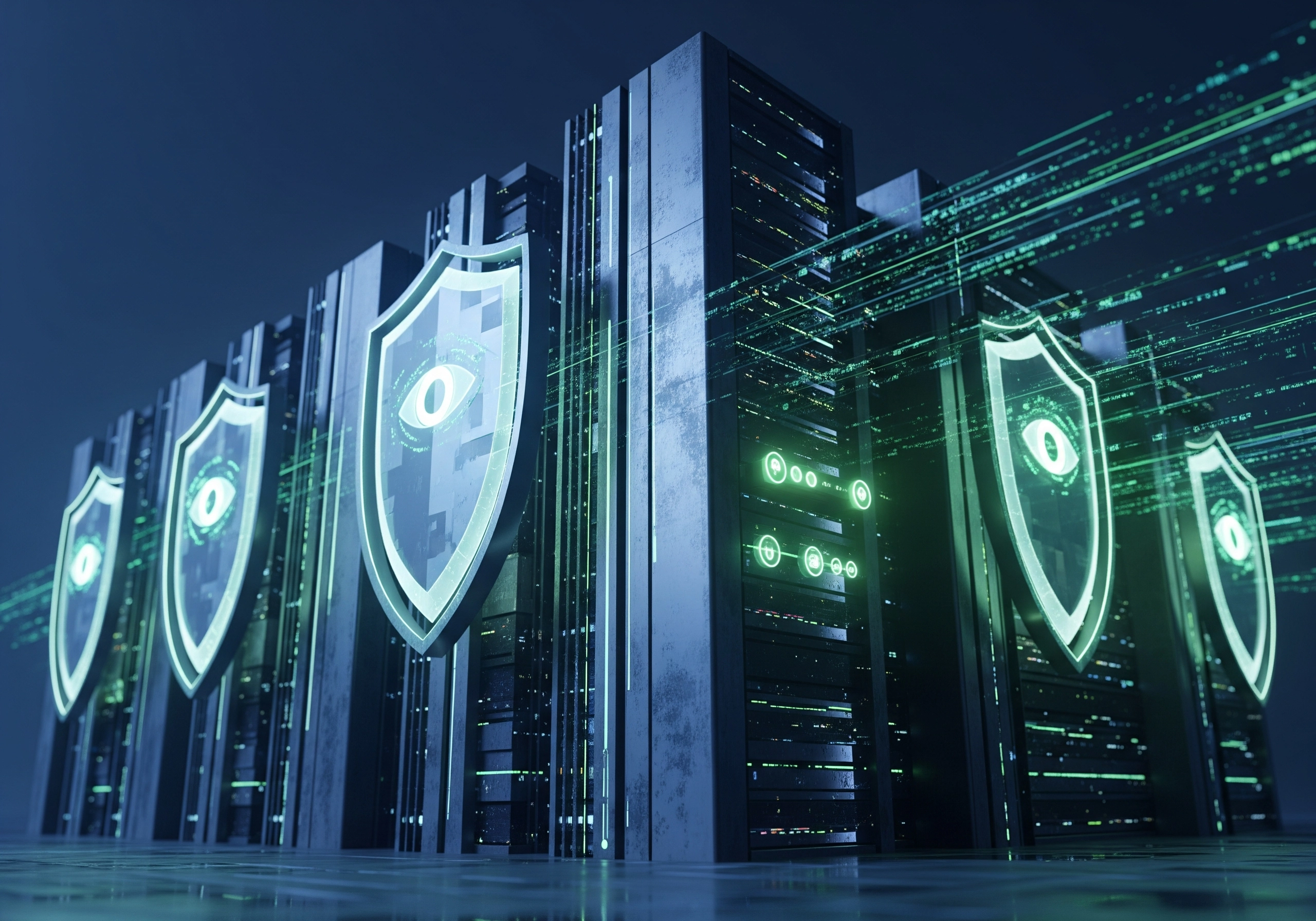
Gone are the days when IT support simply meant reacting to a broken system. Modern businesses demand more, and managed IT support delivers a proactive, comprehensive approach that underpins daily operations. It’s a strategic partnership, not just a service, ensuring your technology functions seamlessly and securely around the clock.
This shift from reactive troubleshooting to preventative strategy transforms how businesses leverage their technology assets. Instead of waiting for issues to disrupt productivity, managed service providers actively prevent them.
The Proactive Pulse of Managed IT Operations
On a daily basis, managed IT support teams orchestrate a complex ballet of tasks designed to maintain optimal system health and performance. This begins with relentless monitoring, where specialized tools continuously scan the entire IT infrastructure for anomalies, potential vulnerabilities, and performance bottlenecks.
Early detection is the cornerstone of uninterrupted business flow.
These systems generate alerts for anything from unusual network traffic to declining server performance, allowing technicians to intervene before minor glitches escalate into major outages. It’s a digital immune system, constantly on guard.
Continuous Maintenance and Optimization
Beyond monitoring, daily routines include a myriad of preventative maintenance tasks. This encompasses regular software updates, security patching across all endpoints and servers, and firmware upgrades for network devices. These aren’t just about fixing bugs; they’re about enhancing security, improving efficiency, and ensuring compatibility with new applications.
System health checks, log file analysis, and resource optimization are also standard practice. This meticulous attention to detail ensures that critical business applications run smoothly, providing a consistent user experience.
Cybersecurity Vigilance and Data Integrity
The threat landscape evolves daily, making continuous cybersecurity management a non-negotiable component of managed IT support. Teams implement and update firewalls, manage intrusion detection systems, and conduct regular vulnerability assessments. They respond to security alerts, isolate threats, and ensure compliance with industry standards.
Crucially, robust data backup and disaster recovery protocols are tested and maintained daily. This guarantees that in the event of data loss or system failure, business operations can be swiftly restored with minimal impact. The focus is on resilience, ensuring critical information is always protected and accessible.
Strategic Partnership, Not Just Support
The daily activities of managed IT support extend beyond technical upkeep to strategic alignment. They provide help desk services, addressing user queries and resolving immediate issues, but their core value lies in proactive infrastructure management and strategic planning. This includes capacity planning, technology roadmap development, and ensuring the IT environment supports future business growth.
Managed IT support transforms technology from a potential liability into a definitive competitive advantage.
By entrusting these complex, daily IT responsibilities to experts, organizations gain peace of mind and the freedom to focus on their core competencies. This proactive stance significantly reduces downtime, enhances security posture, and optimizes operational costs, making it an indispensable part of modern business strategy. Explore how these efforts contribute to overall IT systems reliability and operational excellence. For further insights into the strategic benefits, consider the broader impact of Managed IT insights on business performance.
In essence, daily managed IT support is about building and maintaining a resilient, secure, and high-performing digital ecosystem that actively supports every aspect of a business.
How Do IT Teams Overcome Daily Challenges to Ensure Seamless Service Delivery?
Every day, modern IT teams step into an environment where stability is the goal, but disruption is a constant possibility. They navigate a complex landscape of unexpected incidents, finite resources, and an ever-accelerating pace of technological evolution. The true measure of their expertise lies not just in solving problems, but in anticipating and mitigating them before they impact users or business operations.
The initial hurdle often involves the unpredictable nature of system failures or security threats. IT professionals face the immediate pressure of an outage or a cyber incident, requiring rapid diagnosis and resolution under stressful conditions. Concurrently, resource constraints, both human and financial, demand that every action is efficient and strategically aligned.
To counter this, a proactive stance is paramount. Modern teams heavily invest in sophisticated monitoring tools that provide real-time insights into system performance and potential vulnerabilities. These IT solutions act as an early warning system, allowing for intervention before minor glitches escalate into major disruptions. It’s about shifting from reactive firefighting to preventative maintenance.
The Power of Automation and Strategic Prioritization
Automation stands as a critical pillar in overcoming resource limitations and streamlining operations. Routine, repetitive tasks, from software updates to server checks, are increasingly automated, freeing up valuable human capital for more complex problem-solving and strategic initiatives. This not only boosts efficiency but also reduces the margin for human error.
Automating routine tasks frees up IT experts for high-impact problem-solving.
Furthermore, IT teams excel at strategic prioritization. They leverage incident management frameworks to categorize issues based on severity and business impact, ensuring that critical services receive immediate attention. This systematic approach guarantees that urgent issues are resolved swiftly, minimizing downtime and its associated costs.
Continuous Learning and Collaborative Business IT Support
The relentless march of technology necessitates continuous learning and adaptation. IT professionals are constantly upskilling, exploring new platforms, security protocols, and development methodologies to ensure the infrastructure remains robust and future-proof. This dedication to growth is vital for delivering cutting-edge business IT support services.
Effective communication is another non-negotiable element. From transparent incident updates to clear documentation of solutions, IT teams ensure stakeholders are informed and knowledge is shared. This collaborative ethos extends to working closely with various departments, understanding their needs, and tailoring IT solutions that genuinely support business objectives.
Ultimately, IT teams overcome daily challenges by combining vigilant monitoring, intelligent automation, continuous skill development, and robust communication. This multi-faceted approach transforms potential chaos into predictable, seamless service delivery, solidifying their role as indispensable strategic partners.
Why Are Optimized IT Service Delivery and Digital Transformation Inseparable?

Digital transformation is more than just adopting the latest shiny tech; it’s about how seamlessly and effectively those innovations weave into the fabric of your daily operations. This is precisely where optimized IT service delivery moves from being important to being absolutely inseparable from any successful digital transformation. Without a robust, agile, and responsive IT backbone, even the most ambitious digital initiatives are set to stumble.
Think back: IT used to be the quiet department in the back, often viewed as a necessary cost center. Today, that narrative has flipped entirely. IT is now the strategic engine, the driving force behind innovation and a crucial element for gaining a competitive edge.
The Unshakeable Foundation: Optimized IT Service Delivery
Picture this: you’re about to launch a groundbreaking digital marketing campaign or migrate your most critical data to the cloud. Now, imagine doing that without a rock-solid IT support system. The process would be riddled with risks, plagued by inefficiencies, and constantly threatened by potential downtime. The cost of downtime alone can cripple a business, with estimates averaging a staggering $5,600 per minute. This stark reality underscores the non-negotiable need for impeccable IT service management.
Optimized IT service delivery is the bedrock that provides the stable, scalable, and secure environment new digital capabilities need to flourish. It ensures your underlying infrastructure isn’t just capable of supporting cutting-edge applications and data flows, but does so without a whisper of interruption.
Bridging the Gap: From Digital Ambition to Flawless Execution
Digital transformation initiatives inherently introduce new layers of complexity. You’re managing diverse cloud environments, integrating AI-powered systems, and ensuring data flows smoothly across platforms. This is where effective IT service management shines, transforming potential chaos into a symphony of structured progress. It demands meticulous planning, vigilant proactive monitoring, and the agility to resolve issues at lightning speed, ensuring every digital component works in perfect harmony.
This seamless integration of new IT solutions isn’t just a nice-to-have; it’s critical. It’s the difference between an organization that merely possesses new technology and one that truly leverages it for tangible business growth and superior customer experiences.
The Strategic Partnership for Digital Dominance
Forward-thinking businesses aiming to lead their digital journey recognize that IT service delivery is the true engine of change. It’s the mechanism that translates visionary strategy into tangible operational reality. Companies like [Brand Mention, e.g., Digital Shift India] exemplify this synergy, offering comprehensive digital marketing solutions underpinned by superior IT service management. This ensures their clients’ marketing strategies are not just conceptualized but powerfully executed and continuously supported.
Therefore, an optimized approach to IT service delivery isn’t a luxury; it’s the fundamental prerequisite for any organization serious about achieving a successful and sustainable digital transformation. It’s the secret sauce for agility, resilience, and the capacity to innovate at the speed of business.
Ready to optimize your IT service delivery and accelerate digital transformation? Discover how Digital Shift can provide expert IT solutions and strategic support for your business.
People Also Ask
What is the difference between ITSM and ITOM?
ITSM (IT Service Management) focuses on delivering IT services to customers and managing the entire lifecycle of services to ensure business value. ITOM (IT Operations Management), on the other hand, deals with the management and monitoring of the IT infrastructure that supports these services, ensuring performance and availability.
How does incident management work in daily IT operations?
Incident management aims to restore normal service operation as quickly as possible after an unplanned interruption. Daily, IT teams log, categorize, prioritize, diagnose, and resolve incidents, escalating them when necessary to minimize business impact and ensure continuity.
What are the key responsibilities of a managed IT support team?
Managed IT support teams handle proactive monitoring of IT systems, preventative maintenance, regular software updates, cybersecurity vigilance, and data backup management. Their daily focus is on ensuring a resilient, secure, and high-performing digital infrastructure for the business.
How do IT service teams contribute to digital transformation?
IT service teams are pivotal in digital transformation by ensuring the underlying IT infrastructure is robust, scalable, and secure. They manage the integration of new technologies, provide seamless user support during transitions, and maintain operational stability, allowing businesses to leverage digital innovations effectively.
What is the role of knowledge management in IT service delivery?
Knowledge management involves creating, sharing, and utilizing IT-related knowledge and information. Daily, IT teams use knowledge bases to document solutions, troubleshoot common issues, and train staff, which speeds up resolution times and improves the consistency of IT support.
How does ITOM ensure business continuity?
ITOM ensures business continuity by continuously monitoring IT infrastructure health, performance, and security. This proactive approach helps identify and resolve potential issues before they cause disruptions, thereby safeguarding operations and data.