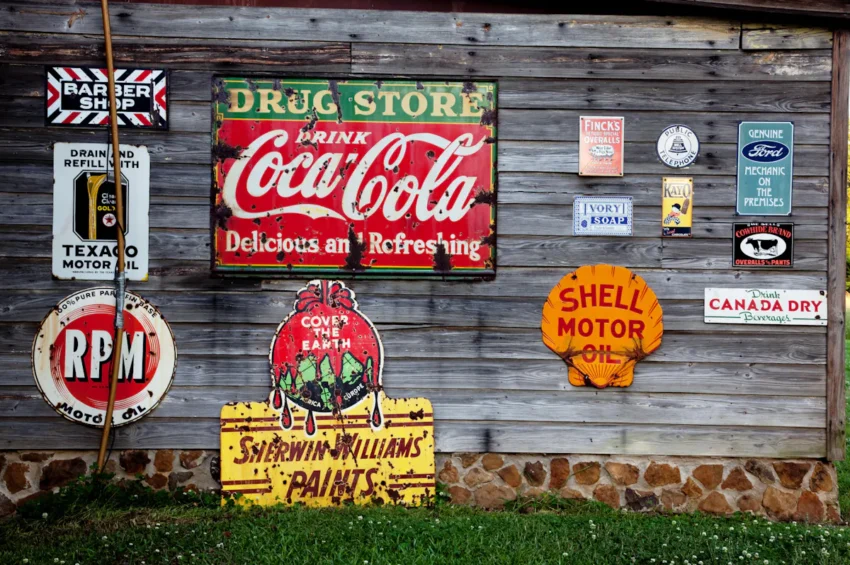
Introduction: Maximizing Impact with Native Digital Advertising in 2025
In the evolving digital landscape of 2025, crafting truly effective native advertising campaigns demands a sophisticated strategy. This guide offers a step-by-step approach to creating impactful native ads that resonate with your target demographic, boost engagement, and deliver measurable results. Whether you’re an experienced marketer or new to native marketing, this resource will equip you with the knowledge to develop compelling native advertising examples that stand out. Discover how to leverage native advertising platforms, harness the power of programmatic native ads, and master the art of creating effective native ads across diverse channels. By the end of this guide, you’ll be prepared to execute native advertising campaigns that not only capture attention but also cultivate trust and drive conversions.
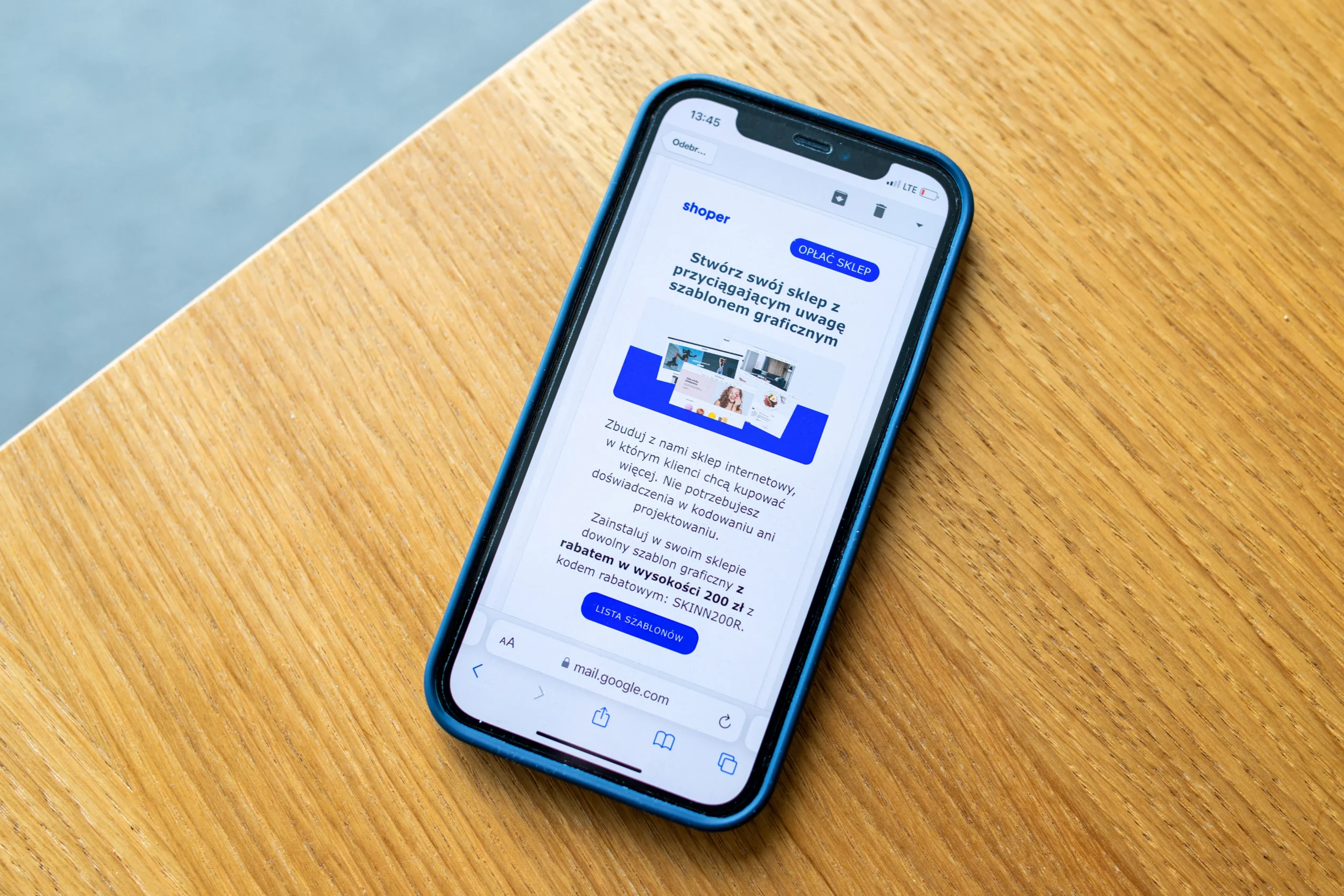
Step 1: Defining Objectives and Profiling Your Audience for Native Ads
Before delving into the specifics of native advertising, it’s crucial to define your campaign objectives and deeply understand your target audience. What do you aim to achieve? Are you seeking to enhance brand recognition, drive website visits, generate leads, or boost sales? Once you have a clear vision of your goals, you can tailor your native ads to resonate with your specific audience. This involves identifying their demographics, interests, needs, and challenges. A comprehensive understanding of your audience is essential for developing impactful native ad formats and selecting the appropriate native advertising platforms.
Step 2: Crafting Compelling and Contextually Relevant Ad Content
The essence of native advertising lies in creating content that integrates seamlessly with the surrounding environment and delivers value to the user. Your native ads should feel like a natural extension of the platform, rather than disruptive or intrusive advertisements. This requires a deep understanding of the platform’s visual style, tone, and content guidelines. Whether it’s a sponsored article, a social media post, or a video, your native ad should be informative, entertaining, or otherwise useful to the audience.

Photo by Anna Tarazevich on Pexels
Storytelling with Your Native Ads
Instead of aggressively promoting your product or service, focus on telling a compelling story that resonates with your audience. Draw inspiration from successful campaigns. Demonstrate how your offering solves a problem, improves lives, or aligns with their values. Authenticity and transparency are vital for building trust and fostering engagement. If you are trying to hit several targets with your campaigns, choose native video ads in 2025, as they’ll help you achieve the following goals.
Step 3: Selecting Optimal Native Advertising Platforms and Ad Formats
Choosing the right native advertising platforms is crucial for reaching your target audience and maximizing the impact of your campaigns. Consider the demographics, interests, and content consumption habits of users on different platforms. For example, LinkedIn may be ideal for reaching professionals, while Instagram and TikTok are better suited for younger audiences. By using ad formats known as native ad units, advertisers match the host’s platform design for one cohesive advertising outcome.

Photo by Alexander Nadrilyanski on Pexels
Exploring Diverse Ad Formats
In 2025, a wide array of native ad formats are available, each with its own advantages. Popular options include:
- In-feed ads: These ads appear directly in the user’s content feed on social media platforms and news websites.
- Content recommendation ads: Widgets or links that appear below specific pieces of content or media (e.g., videos) that redirect the reader to a different website or ad material.
- Sponsored content: This involves creating high-quality, informative articles, videos, or podcasts that are branded with your company’s logo and message. Content that educates (how-to, product comparisons) tends to perform better for native lead generation.
- Branded content: This is a form of native content advertising where the brand creates content that aligns with its values and resonates with its target audience.
Leveraging Programmatic Native Ads
Programmatic native ads offer a data-driven approach to buying and selling native advertising. By leveraging AI and machine learning, programmatic native ads automate the ad placement process, ensuring that your native ads reach the right audience at the right time. This can significantly improve the efficiency and scalability of your campaigns. StackAdapt has become a go-to platform, offering real-time bidding, interest-based targeting, and post-click optimization. It’s especially strong for campaigns that span native, video, and CTV—a must-have for omnichannel distribution.
Step 4: Optimizing Native Ads for Mobile and Emerging Technologies
With mobile devices accounting for a significant portion of web traffic, it’s essential to optimize your native ads for smaller screens. This means creating visually clear, quick-loading, and intuitive ad experiences. Consider using mobile-first creative formats, such as square or vertical videos, and punchy headlines.

Photo by Alexander Suhorucov on Pexels
Embracing Emerging Technologies
As technology evolves, it’s important to stay ahead of the curve and embrace new opportunities. Some emerging trends to watch include:
- AI-powered ad creation: Generative AI will accelerate native creative production (drafting headlines, thumbnails, long-form native content), but quality control will be essential.
- Personalized ad experiences: Publishers will increasingly combine native with AI-driven personalization to boost relevance and RPMs.
- Native audio ads: Sponsored podcast segments and in-app audio recommendations are emerging as a new and effective way to connect with listeners. Native podcast ads are gaining traction as a new marketing channel, offering authentic, intimate ways to connect with listeners through relevant, trusted messaging. In fact, 50% of B2B marketers listed podcast advertising among their top priorities in 2025.
Step 5: Measuring, Testing, and Refining Your Campaigns
Once your campaigns are live, it’s crucial to measure their performance and make necessary adjustments. Use analytics tools to monitor key metrics such as click-through rates (CTR), engagement, conversions, and return on investment (ROI).

Photo by Mikael Blomkvist on Pexels
A/B Testing
Experiment with different headlines, visuals, and calls to action to see what resonates best with your audience. A/B testing allows you to identify the most effective elements and optimize them for maximum impact.
Key Metrics to Monitor
Here are some key metrics to track:
- Click-through rate (CTR): The percentage of people who click on your ad after seeing it. Aim for a CTR above 0.4% to ensure a healthy CPC and campaign ROI.
- Cost per click (CPC): The amount you pay each time someone clicks on your ad.
- Conversion rate: The percentage of people who take a desired action (e.g., making a purchase, filling out a form) after clicking on your ad.
- Engagement rate: The level of interaction, including likes, shares, comments, and time spent viewing the content. Native can be particularly effective for top-of-funnel metrics: view-through rates, assisted conversions, and brand lift.
- Viewability: The percentage of your ad that is actually seen by users. Aim for a viewability rate of 50-70%+. Programmatic native delivers these formats through real-time bidding and standardized specs (e.g., OpenRTB Native). Advertisers upload modular assets (headline, image, body, logo), set targeting and bids, and the exchange/SSP renders the ad to match each placement. You get the usual controls—frequency, pacing, brand safety—and can optimize to engagement, attention, or conversion goals.
Tips and Best Practices for Maximizing ROI
To maximize your ROI in 2025, consider the following tips and best practices:
- Prioritize quality content: Focus on creating high-quality, relevant content that addresses your audience’s pain points and provides solutions. Develop high-quality, relevant content that addresses the audience’s pain points and provides solutions.
- Understand the context: Ensure that your ads are contextually relevant to the platform and the content surrounding them. For your native ads to be effective, they must also be contextually relevant. For example, a native ad for yoga equipment will be most effective on a site that talks about yoga or sports. If you published your native ad about yoga on a financial news site, you wouldn’t connect with the audience on that site, even if the content was very high quality.
- Be transparent: Clearly label your ads as sponsored content to build trust. Use simple, familiar words like “Sponsored,” “Promoted,” or “Paid Advertisement”. Tip:Treat disclosure as part of your design system. When labels are clear and integrated seamlessly, users trust both the publisher and the brand more. Compliance and credibility go together.Stay aligned
- Optimize for mobile: Design your ads with mobile devices in mind, ensuring they are visually clear, quick to load, and easy to interact with. Mobile-first creative (square/vertical video, punchy headlines) outperforms desktop optimized creative in many native channels.
- Test and iterate: Continuously test different elements and iterate based on performance data to optimize your campaigns for maximum impact. Testing—multivariate creative + targeting—produces the biggest uplift vs. single creative launches. [Optimization principle]
- Stay aligned: Ensure seamless integration and preserve platform integrity.
- Enhance credibility through relevancy: Deliver targeted content.

Photo by Nataliya Vaitkevich on Pexels
Conclusion: Achieving Success in 2025
By following these steps and best practices, you can create campaigns that are truly effective in 2025. Remember to focus on understanding your audience, crafting compelling content, selecting the right platforms, optimizing for mobile, and continuously measuring and refining your campaigns. With a strategic and data-driven approach, you can harness the power of native marketing to drive engagement, build trust, and achieve your marketing goals. Embrace the evolving landscape and stay adaptable to new technologies and trends to maintain a competitive edge. As you move forward, continue to refine your strategies based on performance data and user feedback, ensuring that your campaigns remain relevant, engaging, and effective in the years to come.
Explore digital marketing solutions from Digital Shift to boost your online presence.
FAQs About Effective Native Advertising in 2025
What makes native advertising effective in 2025?
Native advertising is effective because it blends seamlessly with the surrounding content, providing a non-intrusive and engaging experience for users, leading to higher engagement and trust. By focusing on relevance and quality content, native ads capture attention without disrupting the user experience.
How can I choose the right platforms?
Choosing the right platforms involves understanding your target audience’s demographics, interests, and online behavior, and selecting platforms where they are most active. Consider factors like platform user demographics, content formats, and advertising options to ensure your ads reach the intended audience.
What are the key metrics to measure success?
Key metrics include click-through rate (CTR), cost per click (CPC), conversion rate, engagement rate, and viewability, which provide insights into the performance and ROI. Monitoring these metrics helps you optimize your campaigns for better results.
How important is mobile optimization?
Mobile optimization is crucial because a significant portion of web traffic comes from mobile devices, making it essential to design ads that are visually clear, quick to load, and easy to interact with on smaller screens. Mobile-first creative formats and responsive designs enhance user engagement and campaign effectiveness.
What role does AI play in the future?
AI is set to transform native advertising by accelerating creative production, personalizing ad experiences, and automating ad placement, leading to more efficient and effective campaigns. AI-powered tools can help draft headlines, generate visuals, and optimize targeting based on real-time data.
Photo by Shoper .pl on Pexels